Here’s something most safari blogs won’t tell you straight: there is no legal category called “adults-only safari lodge” in Kenya. No board stamps a camp with that label. This guide names the real adults-only safari lodges Kenya couples ask about most, with minimum ages and prices, so you don’t have to guess. What you actually get is a minimum age set by each property, and it can change without warning. Understanding that difference is the first step to booking a honeymoon that feels private, not a gamble.
I’ve sat with couples at Angama Mara at sunset, watching the Mara River far below, and heard the same relief in their voices. No kids running past the pool deck. No one asking their guide to slow down for the fortieth photo of the same lion. That quiet is real, and you can plan for it if you know where to look.
What “Adults-Only Safari Lodges Kenya” Actually Means
Kenyan camps set their own minimum ages, usually 5, 8, or 12 years old. A camp might call itself “honeymoon-friendly” in its marketing and still welcome a family of five in the tent next door. Others quietly enforce a 12-plus rule with no fanfare at all.
Private conservancies tend to hold the firmest lines, because they cap visitor numbers and control the guest mix directly. National reserves like the Masai Mara National Reserve or Amboseli National Park have far less say over who books which lodge inside their boundaries. That’s why the real research happens lodge by lodge, not park by park.
Named Lodges Worth Considering, by Region
Below are properties couples ask us about most, with typical minimum ages as advertised in 2026. Ages and rates shift by season and ownership, so treat this as a starting point, not gospel.
| Lodge | Region | Typical Minimum Age | Indicative Price/Night (USD, all-inclusive) | Access from Nairobi |
|---|---|---|---|---|
| Angama Mara | Mara Triangle, Masai Mara | 6+ (main camp), 12+ (Angama Safari Camp) | 950-1,600 | 45-min flight to Kichwa Tembo airstrip |
| Mara Plains Camp | Mara North Conservancy | 12+ | 1,100-1,900 | 45-min flight to Musiara airstrip |
| Kicheche Mara Camp | Mara North Conservancy | 12+ | 750-1,100 | 45-min flight to Musiara airstrip |
| Loisaba Tented Camp | Loisaba Conservancy, Laikipia | 6+ | 700-1,050 | 40-min flight to Loisaba airstrip, or 4-hr drive (200 km) |
| Sosian Lodge | Private ranch, Laikipia | No fixed minimum, adult-focused pricing | 850-1,300 | 4-hr drive (210 km) or 40-min flight to Nanyuki |
| ol Donyo Lodge | Chyulu Hills, near Amboseli | 8+ | 1,200-1,900 | 45-min flight to ol Donyo airstrip |
| Saruni Samburu | Kalama Conservancy, Samburu | 8+ | 700-1,000 | 1-hr flight to Samburu/Kalama airstrip |
Park and conservancy fees sit on top of these rates. Masai Mara National Reserve charges around 100 USD per person per day (Narok County gate rate). Conservancy fees in Mara North or Naboisho typically add 100-150 USD per night, usually folded into the lodge bill already. Amboseli National Park’s non-resident fee runs roughly 60-80 USD per day depending on season. These are indicative figures; always ask your operator to confirm current rates before you commit.
Why Private Conservancies Set Stricter Rules
National reserves answer to county governments and take every paying visitor who arrives with a valid ticket. Laikipia’s private conservancies, which set their own age policies, operate differently. They lease land from local communities, cap bed numbers per thousand acres, and can refuse a booking that doesn’t fit their guest profile.
That’s why Mara North Conservancy camps like Kicheche or Mara Plains hold firmer 12-plus rules than most Mara Triangle lodges. Laikipia conservancies such as Loisaba or Ol Pejeta follow the same logic. They just set slightly softer age floors, because they market more to families with older children. If total privacy matters more than anything else, conservancy camps give you the most control.
Adults-Only vs Honeymoon-Marketed vs Family-Friendly
These three labels get mixed up constantly, and it costs couples real money when they assume one means another.
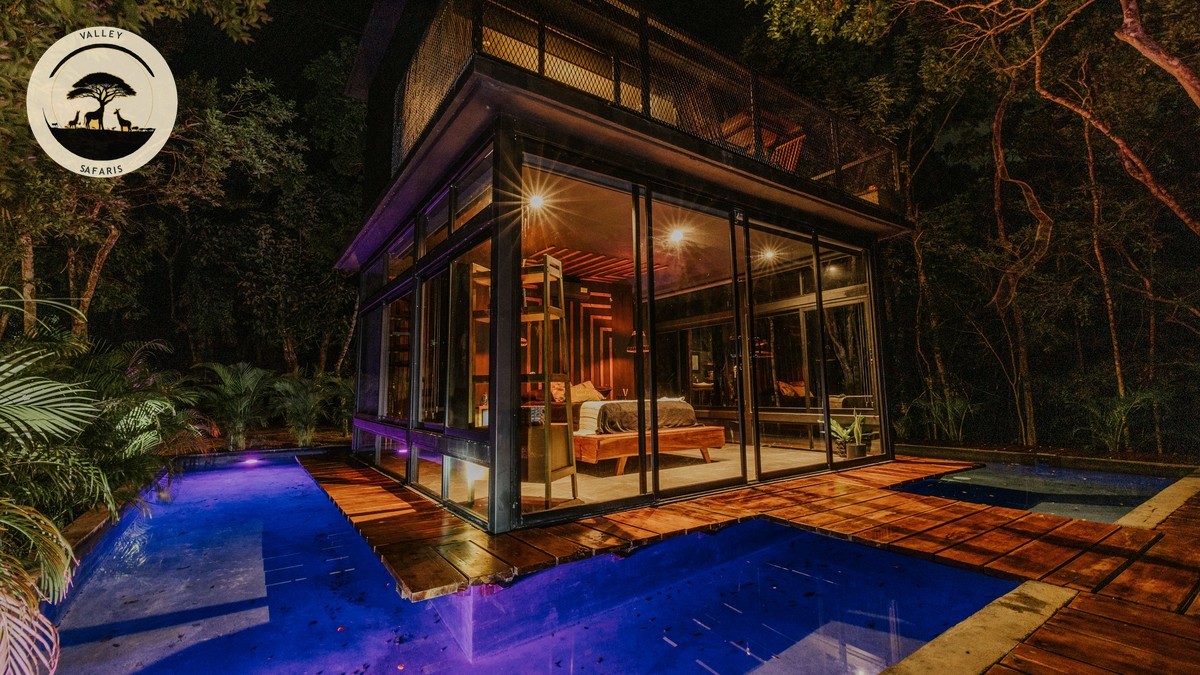
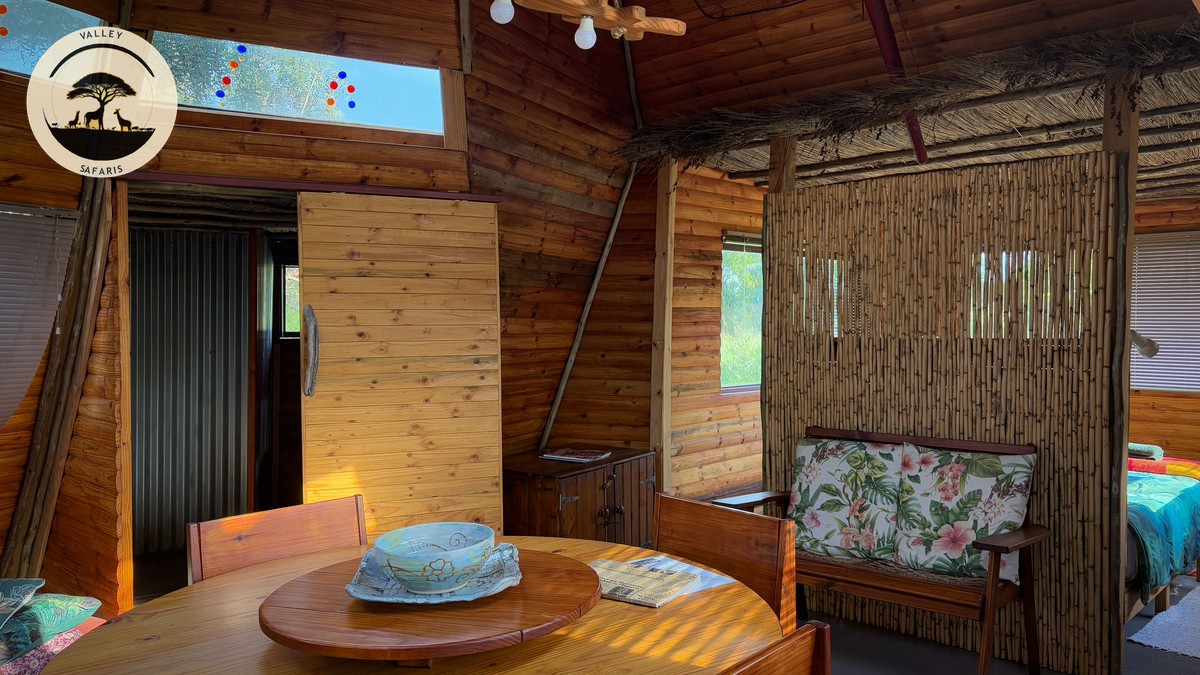
“Honeymoon-marketed” is a style choice: candlelit dinners, a plunge pool, rose petals on the bed. It says nothing about who else is staying at the camp. “Family-friendly” usually means bunk beds, a kids’ menu, and no age floor at all. “Adults-only” or “effectively adults-only” is the only phrase tied to an actual policy, and even then it’s the camp’s private rule, not an industry standard.
Read the fine print on any lodge website before you fall for the photos. A camp calling itself romantic can still host three families over Christmas week.
How to Confirm a Lodge’s Policy Before You Pay
Never rely on a blog post, including this one, for a final answer. Age policies shift with ownership changes and new managers. Before you send a deposit, ask your operator to get written confirmation of the current minimum age directly from the camp. It’s also worth taking the time to confirm the operator is licensed before paying a deposit. Unlicensed agents sometimes quote policies that no longer apply.
A two-line email exchange with the camp, kept for your records, saves you from arriving to find a different reality than what you booked.
Private Vehicles as Your Backup Plan
If a strictly adults-only camp doesn’t fit your dates or budget, book a private vehicle instead of a shared game drive. Most Kenya lodges offer this as an add-on, typically 150-300 USD per day above the standard rate. You choose your pace, skip the crowded sightings, and share the vehicle only with your partner and your guide.
This works especially well in busier areas like the Masai Mara National Reserve during July and August. Shared vehicles at popular sightings can number a dozen or more during those months.
What Privacy Actually Costs
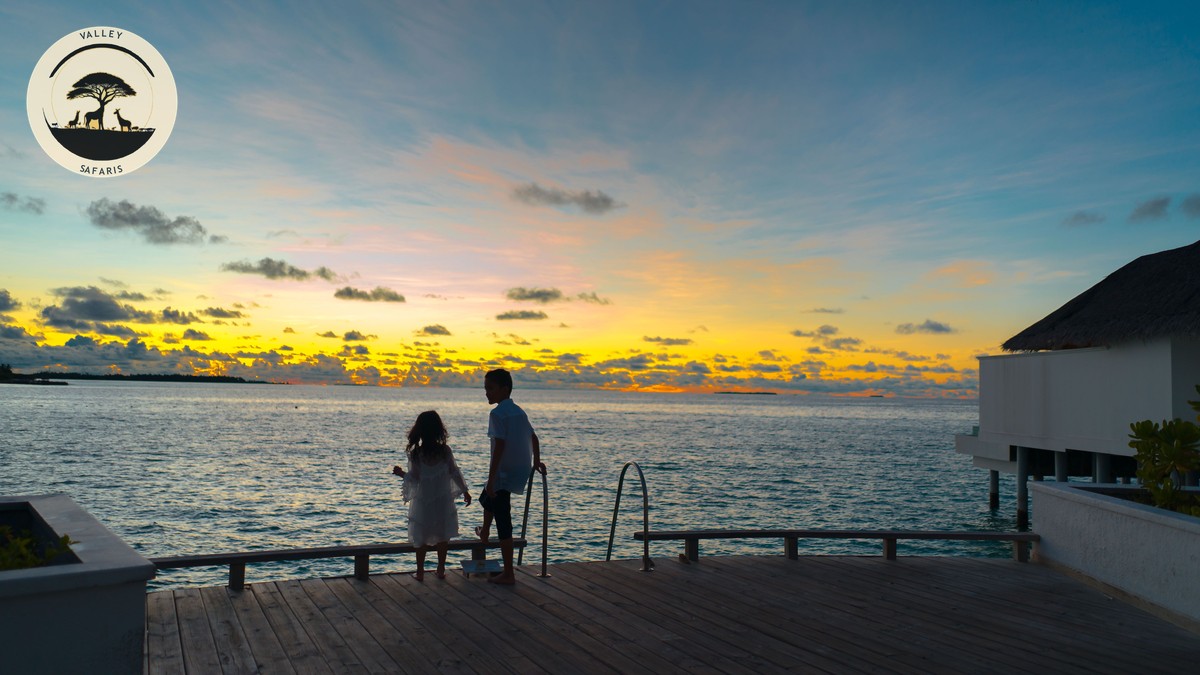
Expect to pay 20-40% more for a strict adults-only or conservancy camp compared to a standard family lodge in the same region. A couple choosing Mara Plains Camp over a mid-range Mara Triangle lodge might pay an extra 300-500 USD per night combined. That figure includes conservancy fees. That premium buys fewer vehicles per sighting, quieter common areas, and staff trained around a couples-focused pace.
Best Season and Camp Pairing for a Child-Free Trip
June through October gives you the dry season and the Great Migration in the Masai Mara. It’s also peak season for family travel during school holidays. For a quieter, more private stretch, consider January to March in Laikipia or the Chyulu Hills, when the light is soft and visitor numbers drop.
Many couples end their itinerary with a night away from game drives entirely. You can pair a child-free stay with one of Kenya’s best stargazing camps, which works beautifully in Laikipia’s clear, low-light skies.
The Valley Safaris Difference
We’ve sat across the table from enough honeymoon couples to know the questions that matter most. Who else will be at the camp? How far is the nearest neighboring tent? Can we get a private vehicle without paying for a whole extra safari? We call every lodge directly before we recommend it, and we update our notes each season because policies do change.
We also don’t push you toward the most expensive option by default. If a mid-range Laikipia ranch gives you more privacy than a pricier Mara camp during your travel dates, we’ll say so. Our job is matching your budget and your need for quiet to the camp that actually delivers it, not the one with the best brochure.
Plan Your Child-Free Safari With Us
If you’re picturing sundowners with no one else around and mornings that move at your pace, we’d love to help you build it. Visit our honeymoon safari tours page to see sample itineraries, or reach out through our contact page and tell us your dates. We’ll take it from there.